Buy evabf.com ?
We are moving the project
evabf.com .
Are you interested in purchasing the domain
evabf.com ?
domain@kv-gmbh.de · 0541-91531010
Buy evabf.com ?
What is a possessive pronoun in English?
A possessive pronoun in English is a pronoun that shows ownership or possession. Examples of possessive pronouns include "mine," "yours," "his," "hers," "ours," and "theirs." These pronouns are used to indicate that something belongs to a specific person or group. Possessive pronouns can stand alone or be used before a noun to show ownership. **
What is the possessive pronoun in Spanish?
The possessive pronoun in Spanish is a word that indicates ownership or possession. It agrees in gender and number with the noun it is referring to. Examples of possessive pronouns in Spanish include "mi" (my), "tu" (your), "su" (his/her/its/your formal), "nuestro/a" (our), and "vuestro/a" (your plural). **

Similar search terms for Possessive pronoun
Top-Angebote
Products related to Possessive pronoun:
-
Plus Size Women's Lace Trim Essential Stretch Legging by Roaman's in Black (Size 12) Activewear Workout Yoga Pants"Our essential stretch legging, with lace trim at the hem and an easy-on elastic waistband. Made to wear everywhere, it's the basic bottom to pair with tunics, dresses and more. The pretty peek of lace adds a feminine touch to every outfit. 28""..."24,99 $*Shipping: 0,00 $Secure redirect to the provider
-
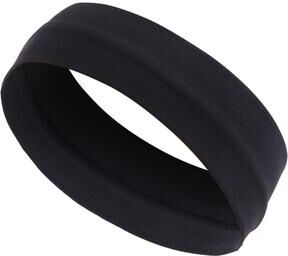
Fusion Finds Women's Sports Headband Elastic Workout Hair Band For Yoga, Running & Fitness blackStay comfortable, focused, and confident through every workout with this sports headband designed to keep your hair securely in place. Made from soft, stretchy fabric, it's perfect for women who love fitness, yoga, running, or everyday active...29,97 $*Shipping: 0,00 $Secure redirect to the provider
-
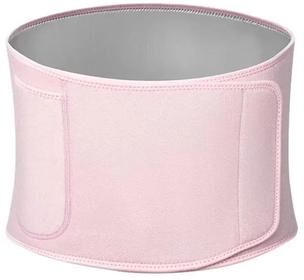
Inspire Curations SweatCore Fitness Waist Belt Sweat Enhancing Workout Wrap For Running & Yoga pinkTurn up the intensity of every workout with support you can feel. This performancedriven fitness sweat belt is designed to wrap your waist comfortably while encouraging heat retention during exercise. Lightweight yet supportive, it moves with you...52,95 $*Shipping: 0,00 $Secure redirect to the provider
-
Plus Size Women's Lace Trim Essential Stretch Legging by Roaman's in White (Size 12) Activewear Workout Yoga Pants"Our essential stretch legging, with lace trim at the hem and an easy-on elastic waistband. Made to wear everywhere, it's the basic bottom to pair with tunics, dresses and more. The pretty peek of lace adds a feminine touch to every outfit. 28""..."24,99 $*Shipping: 0,00 $Secure redirect to the provider


-
What is the difference between a possessive pronoun and a possessive adjective?
A possessive pronoun replaces a noun and shows ownership or possession, such as "mine," "yours," "his," "hers," "ours," and "theirs." On the other hand, a possessive adjective modifies a noun to show ownership or possession, such as "my," "your," "his," "her," "our," and "their." In essence, possessive pronouns stand alone, while possessive adjectives are used before a noun to describe who owns or possesses it. **
-
What is the difference between a personal pronoun and a possessive pronoun?
A personal pronoun is used to replace a noun and refers to a specific person or thing, such as "he," "she," or "they." On the other hand, a possessive pronoun shows ownership or possession, such as "his," "her," or "their." Personal pronouns indicate who is performing the action in a sentence, while possessive pronouns indicate who owns or possesses something. **
-
What is the possessive pronoun for the 3rd person singular in Norwegian?
The possessive pronoun for the 3rd person singular in Norwegian is "hans" for masculine gender and "hennes" for feminine gender. These pronouns are used to show possession or ownership of something by a singular third person. For example, "hans bil" means "his car" and "hennes bok" means "her book". **
-
In French, do you use an apostrophe with the interrogative pronoun "quelle" and the possessive determiner "ma"?
Yes, in French, you use an apostrophe with the interrogative pronoun "quelle" and the possessive determiner "ma" when they are followed by a word starting with a vowel or a silent "h". For example, "quelle est ton adresse?" (What is your address?) and "ma amie" (my friend). **

What does possessive mean?
Possessive refers to showing ownership or control over something. It is used to indicate that something belongs to or is associated with a particular person or thing. In grammar, possessive forms are used to show that a noun belongs to someone or something. **
Is the friend possessive?
Yes, the friend is possessive. This is evident from the fact that they are trying to control the narrator's actions and decisions, as well as expressing jealousy and possessiveness over the narrator's other relationships. The friend's possessive behavior is unhealthy and can be damaging to the narrator's well-being and independence. It is important for the narrator to set boundaries and communicate their needs in order to maintain a healthy friendship. **
Top-Angebote
Products related to Possessive pronoun:
-
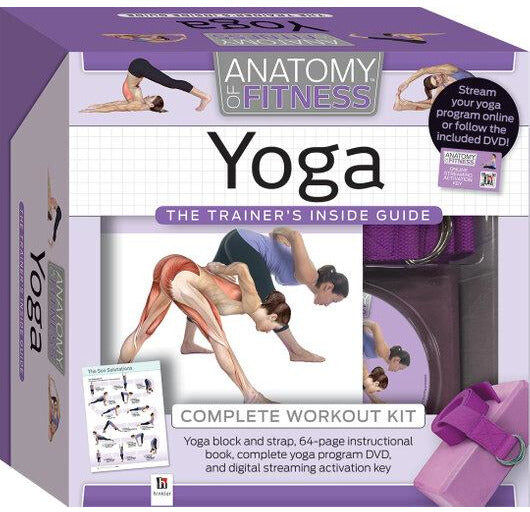
Hinkler Anatomy Of Fitness Yoga The Trainers Inside Guide Complete Workout KitThis kit contains: high-quality yoga strap, yoga block to support and assist body alignment, complete yoga program DVD, activation card to access the yoga program online, instructional 64-page yoga book.5,98 £*Shipping: 2,99 £Secure redirect to the provider
-
Smart Shopping Spot Pro Interval Workout Timer Digital Interval Timer For HIIT, Boxing, Yoga & Fitness Training Pro Interval Workout Timer Digital Interval Timer For HIIT, Boxing, Yoga & Fitness TrainingTake every workout to the next level with a timer that keeps you focused on performance instead of the clock. This interval timer is designed for athletes, fitness enthusiasts, coaches, and anyone following structured training routines. Whether...64,97 $*Shipping: 0,00 $Secure redirect to the provider
-
Plus Size Women's Lace Trim Essential Stretch Legging by Roaman's in Black (Size 12) Activewear Workout Yoga Pants"Our essential stretch legging, with lace trim at the hem and an easy-on elastic waistband. Made to wear everywhere, it's the basic bottom to pair with tunics, dresses and more. The pretty peek of lace adds a feminine touch to every outfit. 28""..."24,99 $*Shipping: 0,00 $Secure redirect to the provider
-
Fusion Finds Women's Sports Headband Elastic Workout Hair Band For Yoga, Running & Fitness blackStay comfortable, focused, and confident through every workout with this sports headband designed to keep your hair securely in place. Made from soft, stretchy fabric, it's perfect for women who love fitness, yoga, running, or everyday active...29,97 $*Shipping: 0,00 $Secure redirect to the provider
-
What is a possessive pronoun in English?
A possessive pronoun in English is a pronoun that shows ownership or possession. Examples of possessive pronouns include "mine," "yours," "his," "hers," "ours," and "theirs." These pronouns are used to indicate that something belongs to a specific person or group. Possessive pronouns can stand alone or be used before a noun to show ownership. **
-
What is the possessive pronoun in Spanish?
The possessive pronoun in Spanish is a word that indicates ownership or possession. It agrees in gender and number with the noun it is referring to. Examples of possessive pronouns in Spanish include "mi" (my), "tu" (your), "su" (his/her/its/your formal), "nuestro/a" (our), and "vuestro/a" (your plural). **
-
What is the difference between a possessive pronoun and a possessive adjective?
A possessive pronoun replaces a noun and shows ownership or possession, such as "mine," "yours," "his," "hers," "ours," and "theirs." On the other hand, a possessive adjective modifies a noun to show ownership or possession, such as "my," "your," "his," "her," "our," and "their." In essence, possessive pronouns stand alone, while possessive adjectives are used before a noun to describe who owns or possesses it. **
-
What is the difference between a personal pronoun and a possessive pronoun?
A personal pronoun is used to replace a noun and refers to a specific person or thing, such as "he," "she," or "they." On the other hand, a possessive pronoun shows ownership or possession, such as "his," "her," or "their." Personal pronouns indicate who is performing the action in a sentence, while possessive pronouns indicate who owns or possesses something. **
Similar search terms for Possessive pronoun
-
Inspire Curations SweatCore Fitness Waist Belt Sweat Enhancing Workout Wrap For Running & Yoga pinkTurn up the intensity of every workout with support you can feel. This performancedriven fitness sweat belt is designed to wrap your waist comfortably while encouraging heat retention during exercise. Lightweight yet supportive, it moves with you...52,95 $*Shipping: 0,00 $Secure redirect to the provider
-
Plus Size Women's Lace Trim Essential Stretch Legging by Roaman's in White (Size 12) Activewear Workout Yoga Pants"Our essential stretch legging, with lace trim at the hem and an easy-on elastic waistband. Made to wear everywhere, it's the basic bottom to pair with tunics, dresses and more. The pretty peek of lace adds a feminine touch to every outfit. 28""..."24,99 $*Shipping: 0,00 $Secure redirect to the provider
-
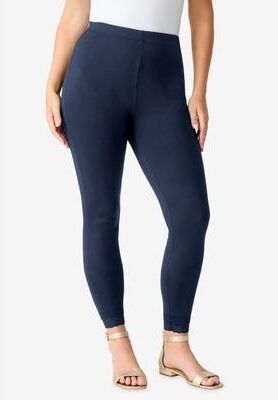
Plus Size Women's Lace Trim Essential Stretch Legging by Roaman's in Navy (Size 12) Activewear Workout Yoga Pants"Our essential stretch legging, with lace trim at the hem and an easy-on elastic waistband. Made to wear everywhere, it's the basic bottom to pair with tunics, dresses and more. The pretty peek of lace adds a feminine touch to every outfit. 28""..."24,99 $*Shipping: 0,00 $Secure redirect to the provider
-
Fusion Finds Women's Sports Headband Elastic Workout Hair Band For Yoga, Running & Fitness orangeStay comfortable, focused, and confident through every workout with this sports headband designed to keep your hair securely in place. Made from soft, stretchy fabric, it's perfect for women who love fitness, yoga, running, or everyday active...29,97 $*Shipping: 0,00 $Secure redirect to the provider
-
What is the possessive pronoun for the 3rd person singular in Norwegian?
The possessive pronoun for the 3rd person singular in Norwegian is "hans" for masculine gender and "hennes" for feminine gender. These pronouns are used to show possession or ownership of something by a singular third person. For example, "hans bil" means "his car" and "hennes bok" means "her book". **
-
In French, do you use an apostrophe with the interrogative pronoun "quelle" and the possessive determiner "ma"?
Yes, in French, you use an apostrophe with the interrogative pronoun "quelle" and the possessive determiner "ma" when they are followed by a word starting with a vowel or a silent "h". For example, "quelle est ton adresse?" (What is your address?) and "ma amie" (my friend). **
-
What does possessive mean?
Possessive refers to showing ownership or control over something. It is used to indicate that something belongs to or is associated with a particular person or thing. In grammar, possessive forms are used to show that a noun belongs to someone or something. **
-
Is the friend possessive?
Yes, the friend is possessive. This is evident from the fact that they are trying to control the narrator's actions and decisions, as well as expressing jealousy and possessiveness over the narrator's other relationships. The friend's possessive behavior is unhealthy and can be damaging to the narrator's well-being and independence. It is important for the narrator to set boundaries and communicate their needs in order to maintain a healthy friendship. **
* All prices are inclusive of VAT and, if applicable, plus shipping costs. The offer information is based on the details provided by the respective shop and is updated through automated processes. Real-time updates do not occur, so deviations can occur in individual cases. ** Note: Parts of this content were created by AI.